Instructions
Step 1:
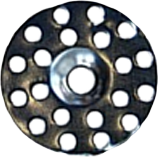
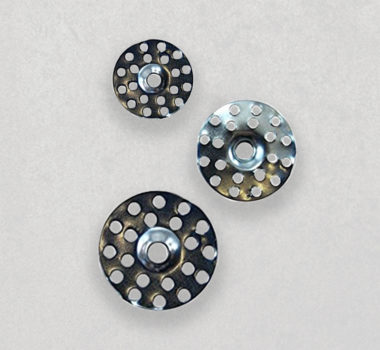
Remove any small, loose chunks of plaster. Reattach remaining loose plaster with plaster washers, spaced a few inches apart. To avoid cracking the plaster, drill pilot holes for the screws with a 1/8-in.-diam., carbide-tipped masonry bit. For large loose areas, install the washers in concentric rings, starting where the plaster is firmly attached and working in toward the loosest area in the middle.To secure loose plaster along cracks, install the screws on both sides and about an inch away from the crack.
Step 2:
Mist the area with water first to prevent the dry plaster and wood from drawing moisture out of the compound too quickly. Fill small holes with a setting-type joint compound (a powder that must be mixed with water) to almost level it with the surrounding area. Use a 5-inch taping knife to apply the compound in two stages, scratching the surface of the first coat so the next coat will bond better. For larger holes, cut a scrap of 3/8-in. or 1/2-in. drywall to fit the hole and fasten it with screws to the lath, then cover it with compound.Mix the compound with water using a potato masher. It works well and cleans easily if you wash it off right away.
Step 3:
After the patch dries, apply self-adhering Fiberglass reinforcing tape over the patched area and all cracks. Avoid overlapping the pieces of tape. Or you may embed paper drywall reinforcing tape in the compound immediately after applying it, and smooth with the taping knife.
Step 4:
Apply two or three additional coats of compound, allowing complete drying between coats and feathering each coat over a wider area than the preceding one. Drying time varies according to the type of compound as well as with the humidity and the amount of ventilation.
Step 5:
Use a pole sander, as shown, or a similar pad sander, with very fine (150-grit) sandpaper to smooth the compound after it has dried. (Compound will turn from gray when it's wet to bright white when it's dry.)Fix bulging plaster- Determine the area to be fixed, then surround it with screws and washers, and additional circles inside as required.